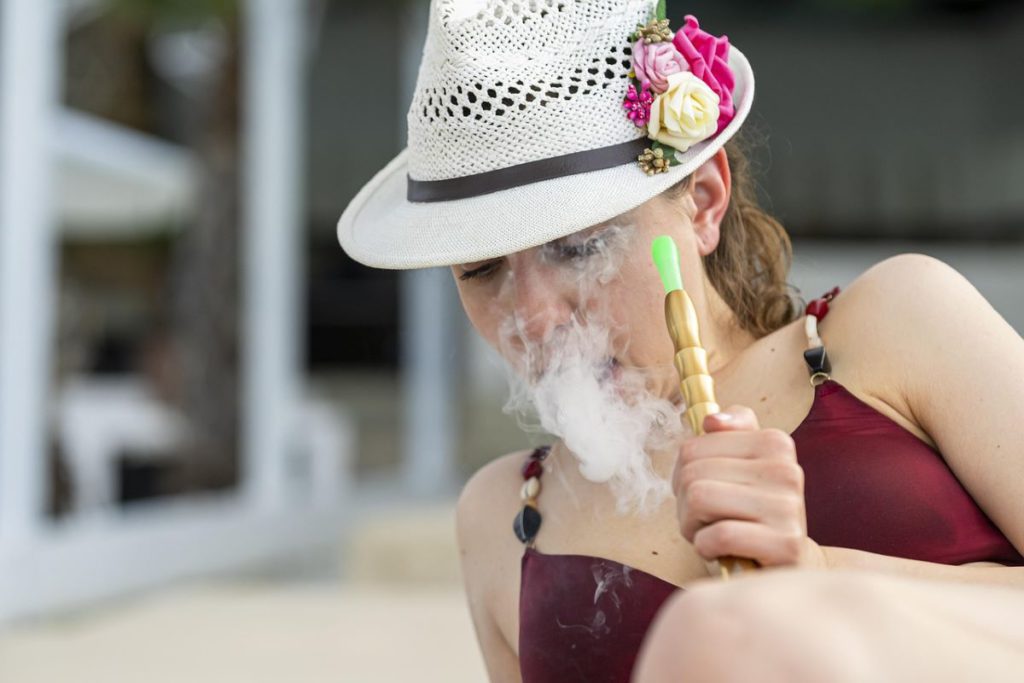
The shisha pipe holds a long-standing place in social culture, bringing people together through shared rituals, slow conversation, and aromatic smoke. In many regions, the hookah pipe is recognised as both a functional object and a symbol of hospitality, often placed at the centre of gatherings. Discussions around hookah vs shisha commonly arise, reflecting how language, history, and tradition shape the way people describe the same experience. While the terms vary, the practice itself has evolved through centuries of cultural exchange and adaptation.
At its core, this style of smoking is less about speed and more about rhythm. The preparation, the pause between inhales, and the communal nature of the activity encourage people to slow down. Unlike fast-paced habits, this tradition emphasises presence. It is not unusual for sessions to extend for hours, accompanied by tea, coffee, or casual meals. In this way, the object becomes secondary to the atmosphere it creates.
Historically, the origins of water-based smoking can be traced across parts of the Middle East, North Africa, and South Asia. Early designs were shaped by available materials and local craftsmanship, ranging from simple coconut shells to ornate glass bases. Over time, as trade routes expanded and cultures intersected, designs became more refined. Decorative elements, metalwork, and hand-blown glass transformed these pieces into items of both use and beauty.
As the practice spread, it adapted to local customs. In some cultures, it became associated with intellectual discussion and poetry, while in others it was linked to celebration and leisure. This flexibility has allowed the tradition to survive across generations, even as social habits and lifestyles have changed dramatically. What remains consistent is the emphasis on shared experience rather than individual consumption.
Modern interpretations reflect this balance between tradition and innovation. Contemporary designs often focus on cleaner lines, durable materials, and ease of maintenance. Manufacturers experiment with airflow dynamics, heat management, and modular components, making the experience more consistent and accessible. These changes are not intended to erase history, but to support modern expectations around reliability and convenience.
Flavours have also played a significant role in maintaining relevance. While early mixtures were typically mild and earthy, modern blends explore a broad spectrum of profiles. Fruity, spiced, floral, and dessert-inspired options allow users to tailor sessions to mood and occasion. This adaptability has helped the practice cross cultural boundaries, appealing to people who may not share the same historical connection but appreciate the sensory experience.
Despite its global presence, misconceptions still surround water-based smoking. Many newcomers assume it is solely about the smoke itself, overlooking the preparation and pacing involved. In reality, the setup process is an integral part of the ritual. Choosing the blend, packing it carefully, managing heat, and ensuring proper airflow require attention and patience. These steps influence not only flavour but also the overall enjoyment of the session.
Another often overlooked aspect is the role of the environment. Lighting, seating, music, and even temperature can shape the experience. Outdoor settings encourage relaxed conversation, while indoor lounges often create a more intimate, curated atmosphere. In both cases, the setting reinforces the idea that this activity is as much about connection as it is about consumption.
In recent years, lounges and social venues dedicated to this practice have become more sophisticated. Design, comfort, and ambience are carefully considered to create spaces that feel inviting rather than transactional. These venues often blend traditional elements with contemporary aesthetics, reflecting how the culture continues to evolve without losing its roots. For many people, visiting such spaces becomes a way to unwind, similar to meeting friends at a café or wine bar.
At home, enthusiasts often take pride in thei r setups. Selecting components, maintaining equipment, and experimenting with preparation techniques become part of a personal routine. This hands-on involvement deepens appreciation and encourages mindfulness. It also allows individuals to adapt the experience to their own preferences, whether they value simplicity or complexity.
The global nature of this culture has also encouraged conversation around respect and understanding. As traditions travel, there is a responsibility to acknowledge their origins. Appreciating the historical and cultural significance behind these practices adds depth to the experience and prevents it from becoming a hollow trend. For many long-time participants, this awareness is what distinguishes genuine engagement from casual imitation.
Social media channels and online communities have further expanded access to knowledge. Tutorials, reviews, and discussions allow people to learn techniques, discover new styles, and connect across borders. While this digital presence accelerates trends, it also preserves knowledge that might otherwise fade. Stories, methods, and insights are shared widely, contributing to a living archive of collective experience.
Health considerations and personal responsibility are increasingly part of the conversation as well. Awareness encourages informed choices, moderation, and respect for individual boundaries. Open discussion fosters a culture in which people can enjoy traditions thoughtfully rather than uncritically follow habits without understanding their impact.
Ultimately, the enduring appeal of this practice lies in its adaptability. It has moved through centuries of social change without losing its essence. From bustling markets to modern lounges, from ornate antiques to minimalist designs, the underlying principle remains the same: bringing people together through shared time and sensory engagement.
Understanding this world requires looking beyond terminology and focusing on experience. The names may differ depending on region or language, but the heart of the tradition is universal. It invites people to pause, connect, and appreciate the moment. In a world increasingly driven by speed and isolation, that invitation remains as relevant as ever.