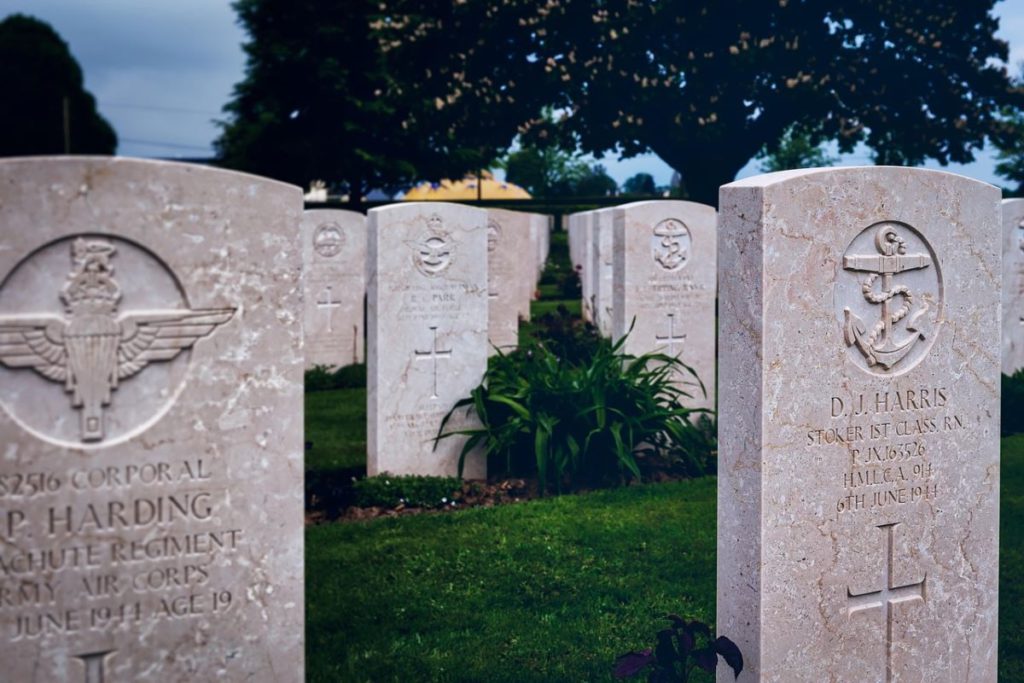
Remembrance is deeply personal yet shaped by culture, belief, and tradition. An Arabic Memorial Headstone often reflects a rich heritage of calligraphy, faith symbolism, and poetic tribute that connects family history with spiritual identity. An Asian Memorial Headstone can carry generations of meaning through carefully chosen characters, ancestral references, and symbolic motifs. In many communities, Greek Orthodox Headstones embody a distinct blend of religious reverence, iconography, and enduring craftsmanship rooted in centuries of tradition.
Across Australia’s multicultural landscape, cemeteries quietly tell stories of migration, belonging, and enduring faith. Headstones are more than markers; they are sculpted narratives. Each inscription, carving, and material choice speaks to a heritage carried across continents and adapted within new surroundings. Families draw upon customs passed down through generations, ensuring that remembrance honours not only an individual life but also the cultural identity that shaped it.
Stone has long been chosen for its permanence. Granite, marble, and sandstone offer durability while allowing intricate detail to be carved with precision. Yet the significance of a memorial is never limited to the stone itself. Form, layout, and symbolic elements are carefully considered, reflecting values that define a community’s understanding of memory and continuity.
In traditions shaped by Middle Eastern heritage, script often becomes the central feature. Flowing lines of Arabic calligraphy transform the stone’s surface into an artistic statement. Verses, prayers, and personal tributes are arranged with visual balance, sometimes framed within geometric borders or subtle floral patterns. The emphasis is not merely decorative. The written word carries spiritual weight, grounding remembrance in faith. Families may consult religious leaders or skilled artisans to ensure inscriptions remain respectful and accurate, reinforcing both devotion and cultural identity.
For many families with roots in East and South-East Asia, ancestral honour guides memorial design. The orientation of the grave, the direction the monument faces, and even the surrounding landscape can reflect traditional beliefs about harmony and balance. Characters are selected with great care, conveying virtues, lineage, and heartfelt remembrance. Some families integrate motifs such as blossoms, cranes, or landscape engravings that represent longevity, renewal, and the enduring connection between generations. The result is a memorial that communicates both quiet elegance and deep ancestral respect.
Within Orthodox Christian traditions, symbolism is immediately recognisable. The cross stands prominently, often etched or sculpted with intricate detail. Inscriptions typically include scripture references, dates aligned with religious calendars, and expressions of hope rooted in resurrection theology. The monument’s structure may follow traditional proportions, creating a visual harmony that feels both solemn and dignified. Marble is frequently selected for its luminous quality, reflecting light in a way that symbolically echoes spiritual transcendence.
Despite these distinctions, there are shared themes across cultures. Respect for the deceased, continuity of memory, and the importance of family are universal. Many families in Australia choose to integrate elements from both heritage and contemporary design. A polished granite base may support traditional script. Modern laser etching might be used to reproduce historical motifs with greater clarity. This blending of old and new reflects the lived experience of multicultural families who honour their roots while embracing their present environment.
Personalisation has also grown in significance. Photographic plaques, engraved portraits, and carefully selected epitaphs provide intimate glimpses into personality and life story. While heritage frameworks guide design, families increasingly seek details that represent hobbies, achievements, or cherished roles within the community. The balance between tradition and individuality can be delicate, yet skilled monument designers are adept at navigating these preferences with sensitivity.
Cultural consultation plays a crucial role in ensuring authenticity. Monument masons working within multicultural communities often develop an understanding of religious customs, script accuracy, and ceremonial requirements. In some traditions, certain phrases or symbols must appear in specific positions. Orientation may influence how inscriptions are arranged. Even the choice of colour can carry cultural implications, with some communities favouring lighter stone to symbolise purity and others selecting darker tones to convey solemn dignity. Clear communication ensures the finished memorial respects both belief and aesthetic intention.
Maintenance practices also reflect cultural values. Families may visit regularly, leaving flowers, incense, candles, or other symbolic offerings. The durability of the material becomes important not only for structural longevity but also for sustaining clarity in inscriptions over decades. Granite remains popular for its resilience against Australia’s varied climate, while marble is prized for its refined appearance. Modern sealing techniques help preserve delicate carvings, protecting them from weathering while maintaining visual integrity.
The evolving landscape of memorial design highlights how communities adapt while preserving meaning. Migrant families who arrived generations ago may retain traditional features while incorporating English translations, ensuring accessibility for younger relatives. Bilingual inscriptions are increasingly common, bridging generations and reflecting the layered identity of contemporary Australian families.
Sustainability considerations are also shaping choices. Environmentally conscious families sometimes explore locally sourced stone, reduced chemical finishes, or designs that integrate with natural surroundings. This shift does not diminish heritage; rather, it reflects a modern extension of respect for both memory and environment.
Ultimately, heritage-inspired memorials serve as tangible links between past and present. They stand as markers of faith, migration, and familial devotion. They invite quiet reflection and convey dignity long after immediate grief has softened. In multicultural societies, they also act as reminders that remembrance is expressed through diverse yet equally meaningful traditions.
When families approach the process of commissioning a monument, they often bring stories, photographs, and ancestral knowledge. Through collaboration with experienced artisans, these memories are translated into stone. The finished work becomes more than a structure; it is a testament to identity. It preserves language, faith, artistry, and love within a single enduring form.
Heritage styles in memorial headstones demonstrate how remembrance is never one-dimensional. It is shaped by belief, culture, artistry, and personal narrative. Whether influenced by centuries-old script, ancestral symbolism, or sacred iconography, each design carries a depth that extends beyond its physical presence. In cemeteries across the country, these monuments quietly affirm that culture endures, memory persists, and honour can be expressed in ways that endure.