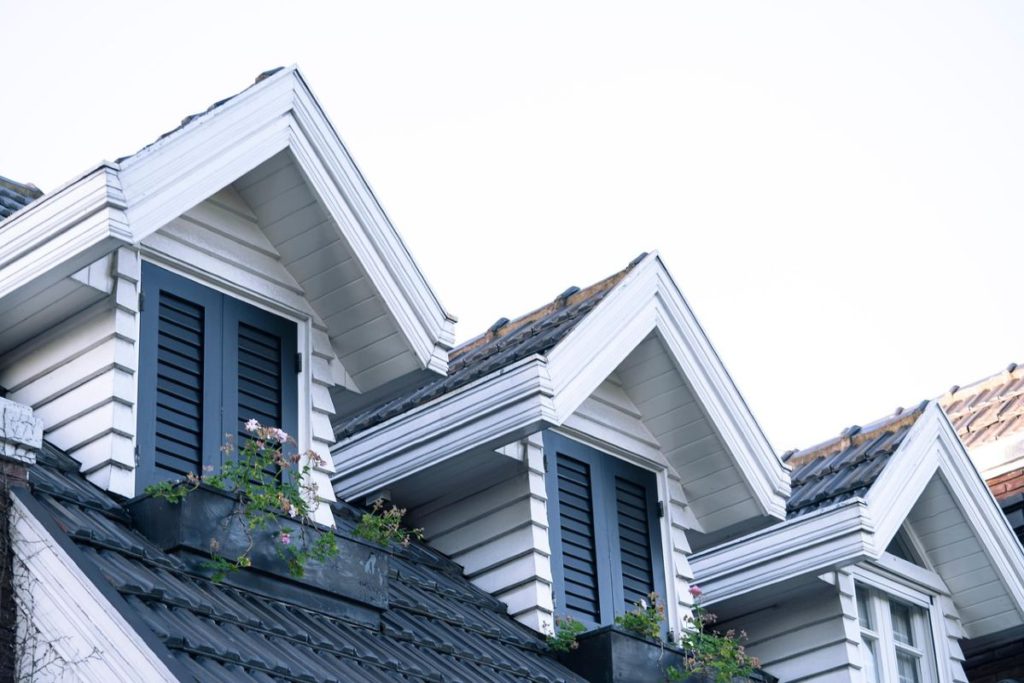
Restoring a roof properly begins long before any fresh coating is applied. It often starts with paint stripper, used to remove failing layers that prevent new finishes from bonding correctly. Where heat control and energy efficiency matter, selecting the right reflective roof paint becomes just as important as the preparation itself. These two stages, though very different in application, work together to determine how long the final surface will last and how well it performs under Australian conditions.
Roofs take constant punishment. Sun exposure, wind-driven rain, temperature fluctuations and airborne debris gradually degrade coatings. Over time, even high-quality finishes can blister, flake or chalk. Simply painting over compromised layers might seem convenient, but it rarely solves the underlying issue. A long-lasting result depends on systematic preparation, and that begins by understanding what remains on the substrate.
Removing old coatings is about more than aesthetics. When previous layers have deteriorated, they create weak points beneath new finishes. If left in place, those weaknesses can lead to peeling within months. Chemical removal agents soften and lift stubborn coatings without excessive grinding, helping preserve the underlying material. This is particularly important on older metal or tiled surfaces, where aggressive mechanical abrasion can cause damage.
Careful surface preparation requires patience. After coatings are softened and scraped away, residues must be thoroughly washed off. Any chemical traces left behind can interfere with adhesion later. High-pressure cleaning helps eliminate contaminants such as dust, salt build-up and mould. In coastal regions of Australia, salt deposits accelerate corrosion on metal roofing. Cleaning them properly reduces future issues.
Inspection follows cleaning. Once the substrate is exposed, imperfections become visible. Corrosion spots, cracked tiles, loose fixings or damaged flashings should be addressed before recoating. Skipping minor repairs at this stage often leads to water ingress and premature coating breakdown. Surface uniformity is critical because modern cool roof systems rely on consistent film thickness for optimal performance.
Moisture content is another factor. Applying any coating to a damp roof compromises adhesion. Even when the surface appears dry, trapped moisture in porous materials can create blistering once heated by the sun. Checking weather forecasts and allowing sufficient drying time ensures stability before moving to the next phase.
Priming plays an essential intermediary role. Bare metal may require a rust-inhibiting primer, while porous masonry or terracotta tiles benefit from bonding primers that stabilise surface texture. Primers create a uniform base that improves durability and colour consistency. They also enhance chemical resistance and protect against underfilm corrosion.
With preparation complete, the focus shifts to thermal performance. Australian summers place extraordinary demand on roofing materials. Dark surfaces absorb solar radiation, transferring heat into ceiling cavities and increasing reliance on air conditioning. Light-coloured, heat-reflective coatings reduce this heat gain by reflecting a larger percentage of solar energy away from the structure.
The science behind cool roofing is relatively straightforward. Surfaces with high solar reflectance bounce back sunlight, while high thermal emittance allows absorbed heat to dissipate quickly. Together, these properties reduce overall roof temperature. Lower surface temperatures translate to improved indoor comfort and potentially lower energy consumption. In commercial buildings, this can significantly affect operational costs.
Application technique influences performance as much as product selection. Even coverage ensures that reflective properties are consistent across the entire roof plane. Rollers, brushes or airless spray systems may be used depending on roof type and scale. Maintaining correct film thickness prevents thin spots that can compromise both durability and heat reflectance.
Edge details deserve special attention. Valleys, ridge caps and flashing intersections often experience the highest water flow and mechanical stress. Reinforcing these areas with additional coating or compatible sealants helps maintain integrity during heavy rain events. Small oversights in detailing commonly become the starting point for leaks.
Once cured, a well-applied cool roof coating creates a seamless, weather-resistant membrane. Unlike patchwork repairs, a continuous finish minimises water ingress pathways. Modern formulations are designed to resist ultraviolet degradation, reducing the chalking and fading that plagued earlier generations of coatings. With appropriate maintenance, these finishes can extend roof life considerably.
Maintenance should not be overlooked after restoration. Leaves, branches and dirt accumulation reduce reflective performance. Periodic inspection and gentle washing maintain surface cleanliness and preserve heat-reflective efficiency. Minor touch-ups, when required, prevent isolated damage from spreading.
Cost considerations often influence decision-making. While complete surface preparation may increase upfront labour expenses, it reduces the likelihood of early rework. Long-term durability provides better return on investment. In energy-conscious households, thermal benefits may offset part of the installation cost through reduced cooling demand.
Environmental factors also play a role. Reducing roof temperature helps mitigate urban heat island effects, particularly in densely built suburbs. When many buildings incorporate reflective finishes, cumulative temperature reduction can improve neighbourhood comfort. This broader impact extends beyond individual property boundaries.
For property owners considering restoration, a professional assessment offers clarity. Experienced contractors evaluate substrate condition, compatibility requirements and climatic considerations. They determine whether full removal is necessary or if limited preparation will suffice. Their recommendations are shaped by technical knowledge and on-site inspection rather than assumptions.
Timing the project strategically improves results. Avoiding extreme heat during application reduces rapid drying that may cause lap marks or uneven curing. Mild, stable weather conditions allow coatings to level smoothly and bond effectively. Planning around seasonal patterns ensures optimal outcomes.
Aesthetic choice remains part of the conversation. Modern cool roof systems are not restricted to stark white finishes. Manufacturers now offer broader colour ranges while maintaining reflectivity standards. Lighter greys, soft neutrals and muted tones allow property owners to balance energy performance with architectural style.
Structural compatibility should also be considered. Different roofing materials respond differently to coating systems. Metal sheeting expands and contracts with temperature changes. Tiles have textured surfaces that require careful coverage to avoid missed recesses. Selecting products formulated specifically for the substrate avoids premature failure.
Safety during preparation and application cannot be overlooked. Working at heights involves fall protection measures and compliance with occupational health requirements. Chemical handling requires appropriate protective equipment and ventilation. Professional crews are trained to manage these risks safely and efficiently.
When undertaken methodically, roof restoration becomes more than cosmetic improvement. It reinforces weather resistance, supports thermal performance and extends the lifespan of the building envelope. Each stage builds upon the previous one, from removing deteriorated layers to sealing and protecting the final surface.
The transition from stripping back damaged coatings to applying a high-performance cool finish represents a comprehensive renewal process. It addresses both structural integrity and environmental comfort. By investing in thorough preparation and thoughtful product selection, property owners can transform ageing roofs into durable, energy-efficient assets suited to Australia’s demanding climate.