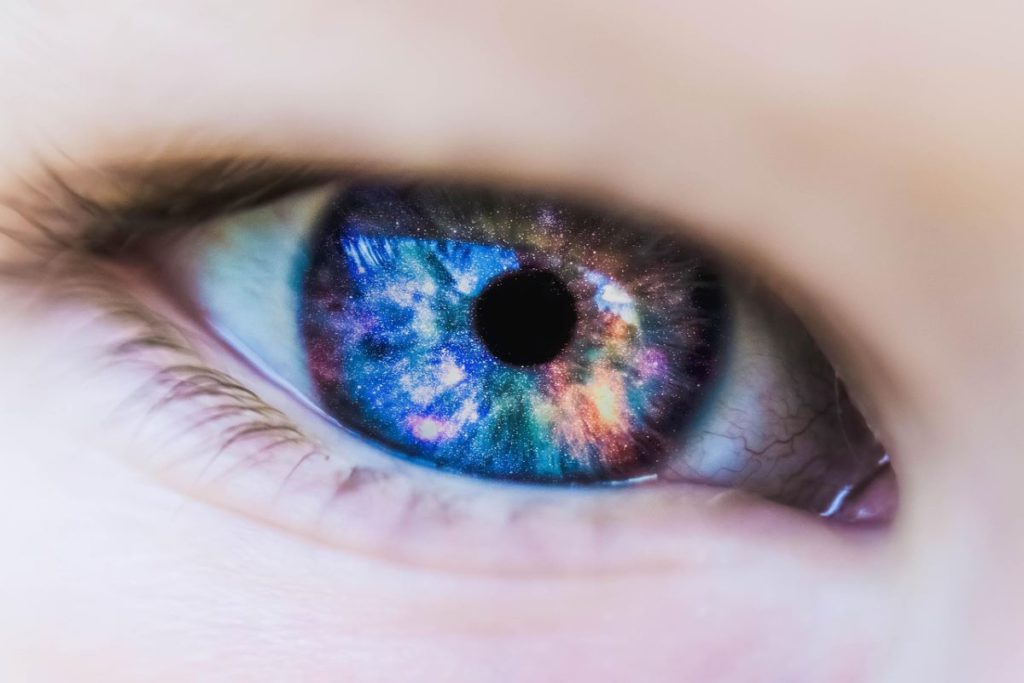
For many people, changing eye colour is about curiosity, self-expression, or simply wanting to see themselves a little differently. Colour contact lenses offer a way to do that without committing to anything permanent, making them appealing to both first-time users and long-time lens wearers. When people talk about contact lenses coloured differently from their natural eyes, they are usually thinking about how natural they look, how comfortable they feel, and whether they are suitable for everyday wear. These questions are entirely typical, and understanding how coloured lenses actually work makes the experience far more enjoyable and confidence-building.
At a basic level, coloured contact lenses are designed to sit on the eye in the same way as clear lenses. They can be made with or without vision correction, meaning they are used by both people who already wear contacts and those who want to change their appearance. The key difference lies in how colour is integrated into the lens. Modern lenses embed pigments within the material rather than coating the surface, which helps maintain comfort and ensures vision remains clear through the pupil area. This design approach has improved significantly over time, reducing the heavy or artificial look that older lenses were sometimes known for.
One of the most significant factors that influences how coloured lenses look is their design pattern. Some lenses are created to gently enhance natural eye colour, making blue eyes appear brighter or brown eyes appear warmer and more defined. Others are more opaque and are designed to change eye colour, even on darker eyes, completely. The realism of the result often depends on subtle details such as blended colour gradients and a soft limbal ring that mimics the natural edge of the iris. These design choices affect how lenses appear under different lighting conditions, from bright daylight to indoor settings.
Comfort is often the deciding factor in whether someone continues wearing coloured lenses or gives up after a short time. Thankfully, most modern lenses are made from breathable materials that allow oxygen to reach the eye. When fitted correctly, they should feel similar to clear lenses, especially once the eyes have adjusted. Discomfort usually comes from wearing lenses for too long, not following cleaning routines, or using lenses that are not the correct size. This is why professional fitting remains essential, even when lenses are worn solely for cosmetic reasons.
Eye health is another essential part of the conversation. Coloured contact lenses are medical devices and should always be treated with care. Wearing poorly made or unsuitable lenses can lead to dryness, irritation, or infections. Following recommended wear times and replacement schedules helps reduce these risks. Regular eye checks ensure that lenses continue to fit correctly, especially as eyes can change over time. This approach supports both comfort and long-term eye health.
Lifestyle plays a vital role in choosing the right type of coloured lenses. Some people prefer daily disposable lenses because they are hygienic and straightforward to use. These are especially popular for occasional wear, as they eliminate the need for cleaning and storage. Others opt for monthly lenses, which require a maintenance routine but often offer a wider range of colour options. Neither option is inherently better, but it depends on how lenses are usually worn and how comfortable someone is with lens care.
Handling lenses can feel intimidating at first, particularly for people who have never worn contacts before. With practice, application and removal become quick and routine. Clean hands, a steady approach, and a calm environment make a big difference. Using mirrors and good lighting helps during the early stages, and many people find that once they develop a rhythm, the process takes only a few seconds. Avoiding rushed handling or skipping steps is essential for protecting both the lenses and the eyes.
Coloured contact lenses are often associated with special occasions, but they are increasingly worn as part of everyday style. Subtle tones can enhance natural features without drawing attention, making them suitable for work or social settings. Bolder colours are more commonly chosen for events, creative looks, or themed occasions. Understanding how eye colour interacts with makeup, clothing, and lighting helps achieve a balanced look. In many cases, less dramatic shades provide the most natural and versatile result.
Conditions around us can affect how comfortable lenses feel throughout the day. Low humidity, long periods in front of digital screens, and constant air conditioning may lead to dryness or tired eyes. Applying contact-safe moisturising drops can ease discomfort, especially during extended hours of work. Drinking enough water and stepping away from screens at regular intervals also helps keep eyes feeling more comfortable. These small habits contribute to a better overall experience, especially for regular lens wearers.
Proper removal and aftercare are just as necessary as correct application. Lenses should always be removed before sleeping unless they are specifically designed for extended wear. Reusable lenses need to be cleaned with fresh solution and stored in a clean case. Replacing lens cases regularly and avoiding practices such as topping up old solution reduces the risk of contamination. These routines may seem minor, but they play a significant role in keeping eyes healthy and lenses comfortable.
Ultimately, coloured contact lenses offer flexibility, creativity, and convenience when used responsibly. They allow people to explore different looks while still maintaining comfort and eye health. By understanding how lenses are designed, choosing options that suit individual lifestyles, and committing to proper care, wearers can enjoy coloured lenses with confidence. With realistic expectations and good habits, they become less of a novelty and more of a seamless part of personal style.